
How a 20th-Anniversary Gift (and an 8-Week Wait) Got Us Building BullionBidder
People ask why a couple who work in software built an auction-grading tool for precious metals. Here's the whole story, with the real numbers, because it's a better explanation than any pitch.
It started with an anniversary
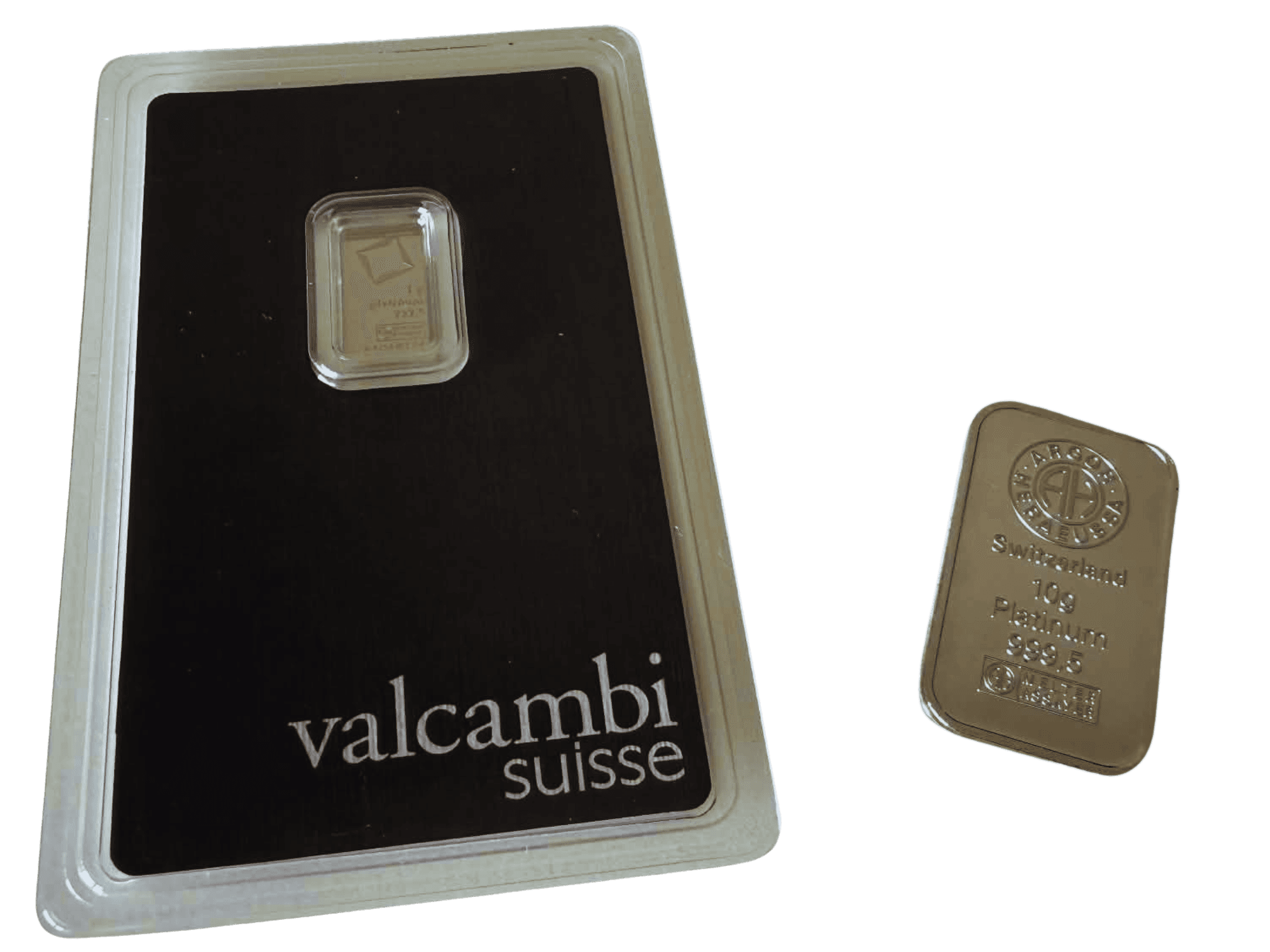
We hit our 20th anniversary in April 2026. We looked up what the traditional gift is for twenty years, and the answer is platinum. So that's what we did: we bought a single 1 gram Valcambi Suisse platinum bar as the gift. A small thing, but a real one, and the start of all of this without us knowing it yet.
It was a gift, so we didn't price-shop it. We bought it from a bank, paid CA$150.91 for the gram plus CA$10 shipping and CA$1.50 tax, CA$162.41 all in, and thought nothing of the price. That's the right way to buy a gift. No notes here on the seller, it was a clean transaction for a genuine product.
The one thing that did stick with us: it took about eight weeks to arrive. Not a complaint, just a fact, and the fact that changed everything. Holding that little gram, we wanted more platinum, and waiting two months at a time to add a gram wasn't going to cut it.
Looking for a better way
So we went looking. And somewhere in that looking we stumbled onto auctions, estate sales, places where metal actually changes hands faster and, sometimes, cheaper. But auctions have a trap: the hammer price is never what you pay. There's a buyer's premium on top, often 18%, and shipping after that. A bid that looks like a steal can quietly land above retail once the fees stack up. With a catalog full of lots, checking each one by hand is slow and easy to get wrong.
We tried the easy route first: we handed a catalog to the AI chatbots and asked which lots were good. That went badly enough that we wrote up what happened when the AI chatbots graded a catalog. Short version, confidently wrong is the worst kind of wrong. Then we went looking for a tool that already did the whole job. There was nothing out there that could do it.
Both of us work in software, so we had the skills to build it properly, and once we mapped out everything it actually needed, we realized why nothing like it existed: doing it right is genuinely complex. A lot of parts have to work together and agree with each other. Read a catalog, pull each lot's metal and weight and purity, run the real all-in (hammer + premium + shipping), and line it up against the live melt value and against what a dealer would charge. We've invested hundreds of hours to build a secure, easy-to-use tool, and tested it, and tested it again, until the numbers were ones we'd trust with our own bids. This isn't a finished-and-forgotten side project, we keep improving and maintaining it. We just wanted a simpler way to find the good lots.
The first win
The first thing that tool helped us win was platinum, and it's the bar on the right in the photo above: a 10 gram Argor-Heraeus .9995 fine platinum bar. If you've shopped platinum you know it's not an easy bar to find, and a 10 g from that maker even less so (more on that below).
Here's exactly what the tool showed, the same row it shows for every lot:
- Hammer: CA$825.00
- Buyer's premium (18%) + shipping: included below
- All-in: CA$989.25
- vs melt: CA$928.48, so about 7% over the metal value
- vs metal retail: CA$1,132.75, so about 13% under what a dealer charges
Two honest things about those numbers. First, we paid 7% over melt, not under, and that's normal for platinum, which carries a real premium over spot in a way bullion silver often doesn't. We're not going to pretend we bought platinum at spot. Second, and this is the part that matters, the all-in was 13% under metal retail. On the day we won it, the comparable bars we could find were running CA$200 or more above what we paid. And it turns out this is a genuinely hard bar to get: a 10 g isn't even in Argor-Heraeus's current platinum minted lineup (their 2025 catalog runs 1 g, 5 g, 1 oz, then straight to 100 g, no 10 g), which is likely why we can't turn one up in stock anywhere now. So for a hard-to-find bar, we paid a fair price and skipped the wait.
And the comparison that made us laugh: the gift gram cost about CA$151 per gram (CA$162 with shipping and tax). This 10 g bar came to about CA$99 per gram all-in, roughly a third less per gram than the retail gift, for a scarcer bar, with no eight-week wait.
Why we put it online
Once it was working for us, it seemed silly to keep it to ourselves. The problem we'd had is a common one: no clean way to tell, in a fast-moving sale, whether a lot is actually a deal once the fees land. So we put it online, Quick Check for a single lot and the full catalog reader for a whole sale, and we're not worried about sharing it. No single buyer can chase every lot, there are plenty for everyone, and a tool that helps you spot a fair price takes nothing away from us. We can't give all of it away free, the app has real costs behind it, so the paid tiers just cover running it. But the goal was never to sell you anything. It was to keep people from overpaying, us included.
Mostly we just want to help our fellow stackers. We're still building our own stack, the same slow way most people do, and we still use the tool ourselves, on our own money, every time we bid.
This platinum bar is the one that started all of it, sitting next to the gram that started that. The Ghostbusters bar we broke down number by number is a later win on the same tool. (Spot, retail, and all-in are three different numbers, and keeping them straight is the entire job.)
The short version
We bought platinum for our 20th anniversary, waited eight weeks for it, went looking for a faster way to add to our stack, found auctions, and built a tool so we wouldn't overpay there. It won us a hard-to-find 10 g bar at about a third less per gram than the gift, 13% under retail. Then we figured other people could use it too. That's BullionBidder, and now you know exactly where it came from.